Antique & Estate Jewelry
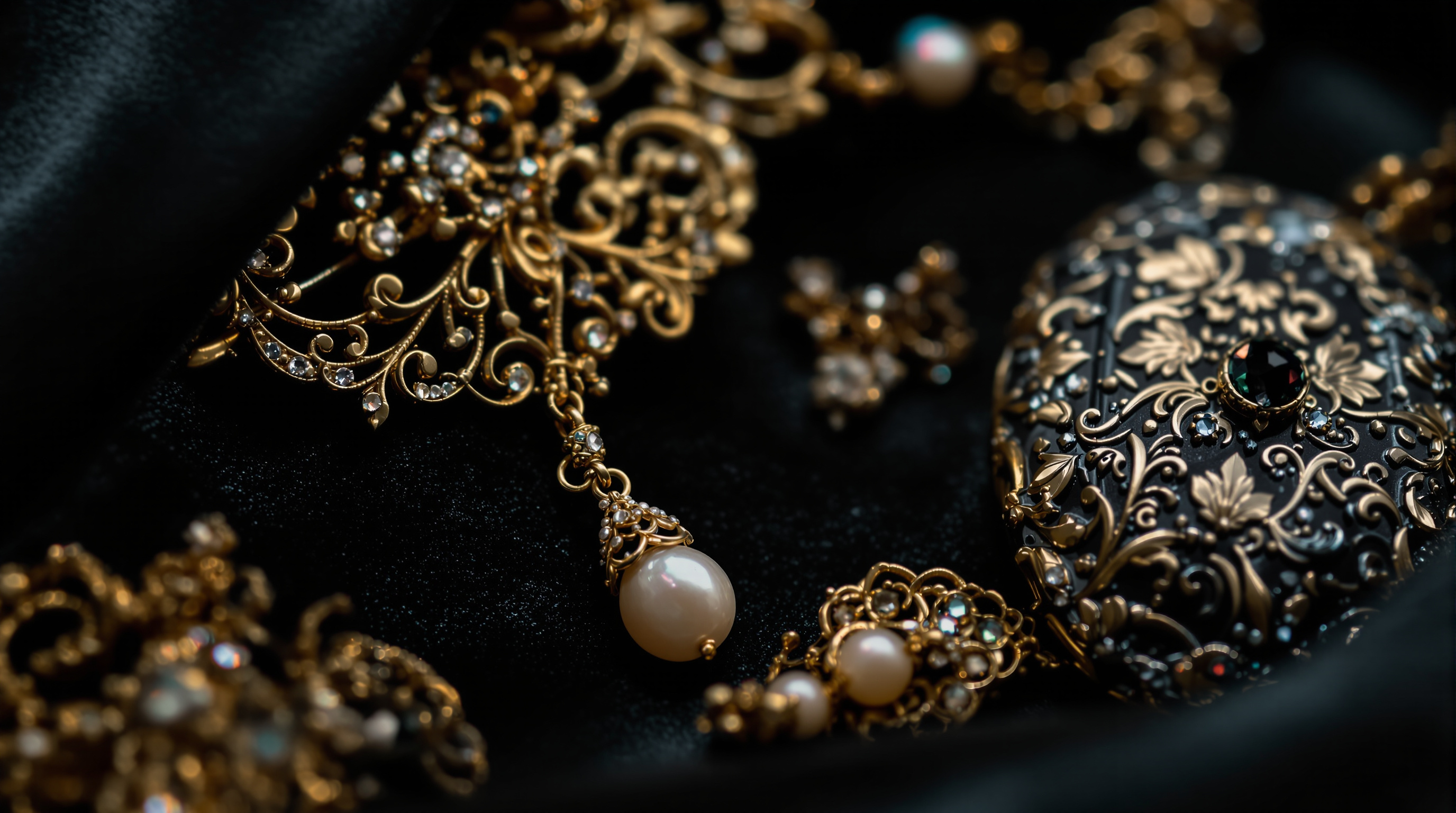
For collectors and admirers of antique jewelry, Gettysburg provides a setting for exploring period styles and their historical context. A collection can focus on the Victorian era — a golden age of craftsmanship and sentiment — alongside estate pieces and period accessories. Each item carries the workmanship and character that modern jewelry rarely matches.
Victorian Jewelry
The Victorian period produced some of the most expressive jewelry ever made. Examples to look for include gold-filled pieces, delicate seed-pearl work, and the intricate craftsmanship of the era's finest makers. These pieces are as wearable today as they were beautiful when new, and they make distinctive, meaningful gifts.
Hair & Mourning Jewelry
Among the most poignant categories of Victorian jewelry are hair and mourning pieces — intimate objects that memorialized loved ones with woven hair, jet, and somber elegance. These collectibles offer a window into 19th-century customs around memory and grief, and they are increasingly sought after by collectors who appreciate their history and artistry.
Buttons & Ladies' Accessories
Beyond jewelry, Victorian buttons and ladies' accessories are related collecting categories. Antique buttons are a wonderful entry point for new collectors — affordable, endlessly varied, and rich with social history — while period accessories complete the picture of how women of the era dressed and adorned themselves.
Caring for Antique Jewelry
Antique jewelry rewards gentle care. Soft cloths, careful storage, and minimal exposure to moisture help preserve both metal and stones, and delicate pieces such as hair jewelry should be handled sparingly. For a deeper look at the history and styles of period jewelry, museums such as the Metropolitan Museum of Art maintain excellent decorative-arts collections worth exploring.
Exploring Related Categories
When comparing antique jewelry, note the materials, fastenings, and any signs of repair. Read about general antiques for complementary decorative pieces, or consult visitor information when planning an antiquing trip.